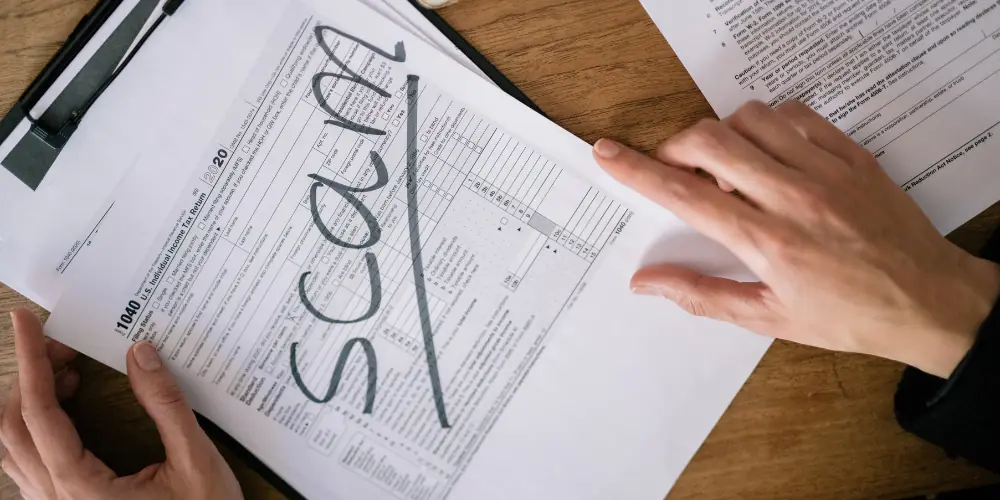
Tax season comes with its own set of challenges, but an increasing threat is misleading tax advice circulating on social media. The IRS has been cracking down on fraudulent tax claims that have misled thousands of taxpayers into filing inaccurate returns.
This year, the agency is implementing stricter measures, including a new form for the misused fuel tax credit and enhanced reviews of improper claims. Those who fall for these scams not only risk delayed refunds but also potential penalties.
How Social Media Fuels Tax Scams
Social media has become a breeding ground for misleading tax advice. As a result, misinformation spreads quickly, convincing many taxpayers to claim refunds they are not entitled to. In particular, influencers and unqualified tax preparers often promote obscure tax credits as an easy way to get more money back. However, the IRS is taking aggressive action to combat these deceptive strategies.
According to the National Taxpayer Advocate’s annual report, many taxpayers who attempted to claim improper credits last year faced frozen refunds. Consequently, the IRS flagged their returns for additional review, leaving them unable to access even the legitimate portion of their refunds. By late 2024, nearly 739,000 taxpayers were still waiting for the IRS to resolve issues related to questionable credits.
IRS Steps Up Enforcement on Fraudulent Claims
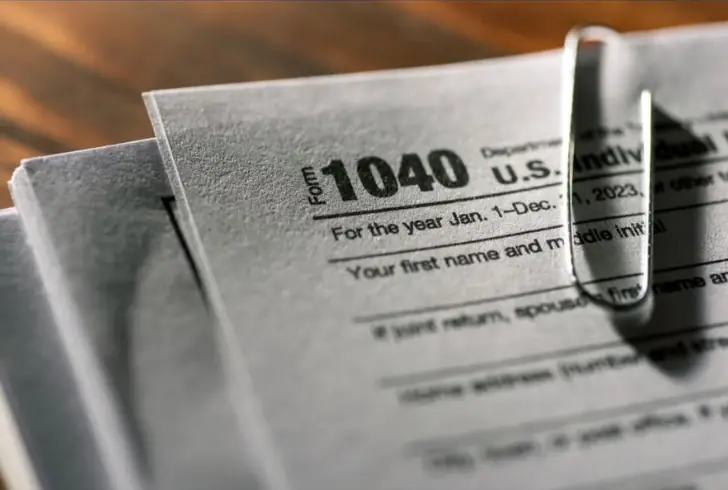
In December, the IRS increased scrutiny of tax returns that include “other withholding” claims on Form 1040. This category has allowed scammers to inflate refund amounts, making fraud detection a priority. Additionally, the agency is now contacting taxpayers who may have unknowingly used “ghost preparers” to file their taxes.
Specifically, these preparers often target vulnerable communities, such as seniors or low-income individuals, by promising larger refunds. They complete tax returns but refuse to sign them, making it difficult to trace their involvement when issues arise. Consequently, taxpayers must deal with IRS audits, penalties, and even stolen refunds.
Common Tax Scams to Watch Out for This Year
With tax scams on the rise, understanding common fraudulent schemes can help taxpayers avoid financial trouble. Here are three major scams making rounds this year:
1. Fuel Tax Credit Fraud
Social media posts have falsely promoted the fuel tax credit as a way for everyday taxpayers to increase their refunds. However, this credit is strictly for off-highway business and agricultural use. Claiming it without qualifying can result in a $5,000 penalty.
To prevent misuse, the IRS has introduced a new form that makes it harder to claim this credit fraudulently. Form 4136 now includes a clear warning that the fuel must be for non-highway use and requires proof of purchase.
2. False Withholding Claims
Some tax preparers encourage clients to inflate their withholding amounts to receive larger refunds. Scammers advise taxpayers to manually fill out Form W-2 with exaggerated wage and tax amounts, hoping to trick the IRS into issuing a refund.
However, the IRS verifies all W-2 forms with employers and payroll providers. Fraudulent filings can result in penalties, audits, and even criminal charges. This year, the IRS has ramped up its review of withholding claims on Line 25C of Form 1040 to catch suspicious activity early.
3. Fake Self-Employment Tax Credits
Scammers have falsely advertised a “Self-Employment Tax Credit” that supposedly allows gig workers to claim thousands in refunds. In reality, no such credit exists for 2023 or 2024 tax returns.
These schemes often encourage taxpayers to file Form 7202, which applied to sick leave credits in 2020 and 2021 but is no longer valid. Those who follow this bad advice risk IRS audits, penalties, and delays in receiving their legitimate refunds.
How the IRS Is Fighting Back Against Fraud
To combat these scams, the IRS is introducing several new enforcement measures.
1. More Identity Verification Steps
Taxpayers flagged for suspicious claims will receive notices such as 5747C, 4883C, or 5071C, requiring them to confirm their identity before any refunds are issued.
2. Enhanced Review of Frivolous Claims
The IRS is actively identifying and penalizing those who file misleading returns. Each improper credit claim can result in a $5,000 fine.
3. Stronger Monitoring of Tax Preparers
The agency is sending letters to taxpayers whose returns appear to have been prepared by ghost preparers, warning them of potential fraud.
Recognizing Red Flags in Tax Scams
Taxpayers can protect themselves by staying vigilant against common scam tactics. Here are some warning signs:
1. Unrealistic Promises of Big Refunds – If a tax preparer guarantees an unusually high refund, it’s a red flag. Scammers often exaggerate credits or deductions to inflate returns.
2. High-Pressure Tactics – Fraudsters use scare tactics, such as threats of arrest or deportation, to manipulate victims into making immediate payments.
3. Suspicious Websites – Misspelled URLs or unofficial tax filing websites can lead to identity theft and stolen refunds. Always verify that you’re on the official IRS website before submitting personal information.
The rise of fraudulent tax schemes poses a significant risk to taxpayers. By staying informed and avoiding unverified advice from social media, filers can protect their refunds and avoid unnecessary penalties. The IRS continues to strengthen its enforcement efforts, but ultimately, taxpayers must exercise caution and verify claims before filing their returns.