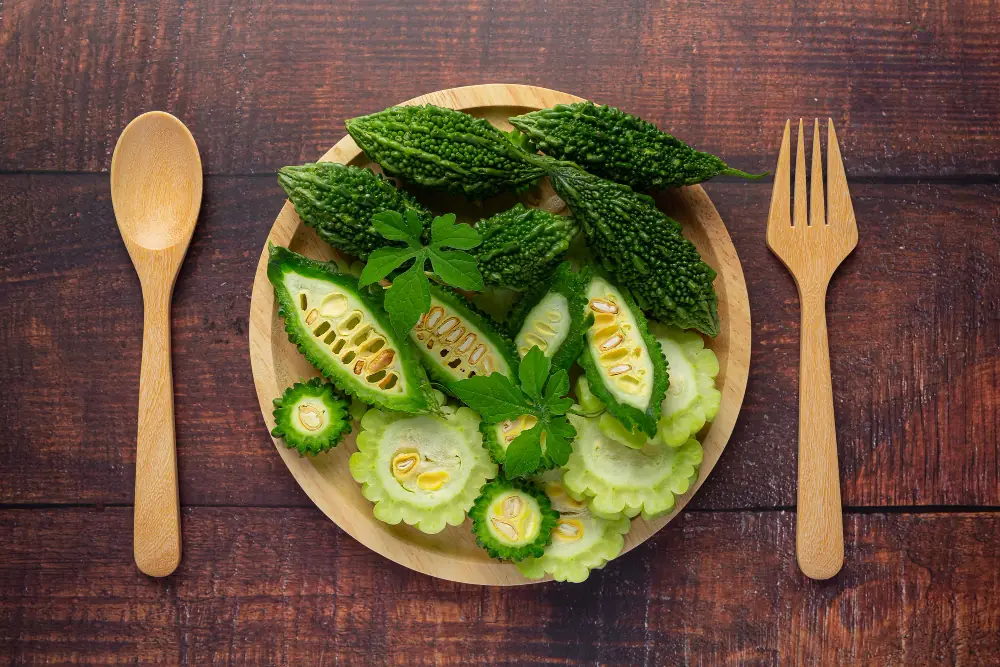
Eating bitterness is more than a phrase in China. It is both a literal taste on the tongue and a lesson in life. The term chī kǔ (吃苦) captures two worlds at once: the bite of bitter foods like bitter melon and the endurance of hardship with strength and silence. Together, these meanings form a cultural cornerstone that stretches from the dinner table to philosophy, from ancient traditions to modern life.
The Literal and Cultural Meaning of Eating Bitterness
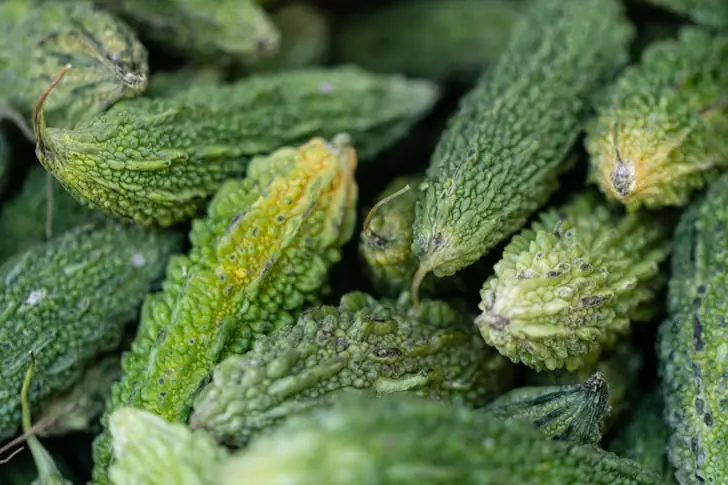
In Chinese cuisine, eating bitterness is not just about flavor but about health. Bitter melon, known as kǔ guā, is the star. It looks like a wrinkled cucumber, pale green with a sharp taste that lingers. Families cook it in stir-fries with pork or eggs, simmer it in soups, or stuff it with minced meat in Hakka-style dishes.
While the taste is harsh, Traditional Chinese Medicine praises it as a healer. It clears heat, cools the body, and even regulates blood sugar. Eating bitter foods is seen as a small sacrifice for long-term wellness.
Parents remind children to chī kǔ when school feels impossible or when money runs tight. It reflects a deep value system where hardship is not avoided but accepted as part of growth. For Chinese families at home and abroad, it is both a philosophy and a badge of pride.
Historical and Social Roots of Eating Bitterness
The history of eating bitterness stretches into survival stories. Chinese laborers who built the Transcontinental Railroad in the U.S. endured hunger, racism, and deadly conditions. Yet, they pressed on, embodying chī kǔ in a way that secured survival and future opportunity. To them, endurance was not optional but necessary.
The phrase also shaped politics. During Mao’s Land Reform campaigns, people were encouraged to “speak bitterness” in public sessions. Villagers shared their struggles under the old class system, turning private pain into collective action.
It showed how bitterness could be transformed into solidarity, power, and change.
Bitter Foods as a Culinary Symbol
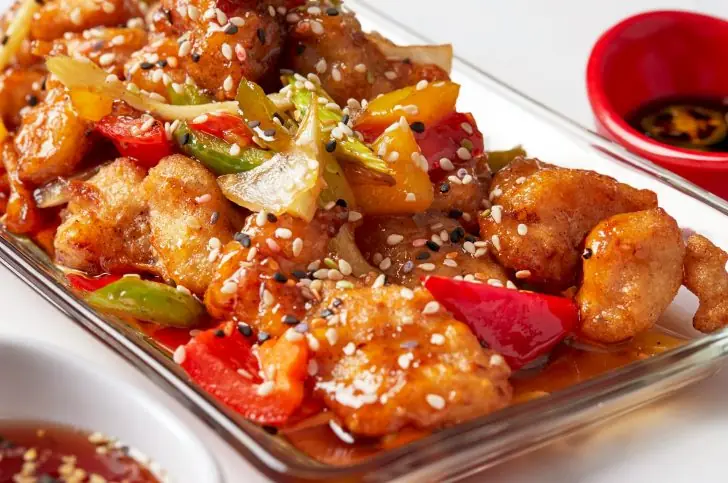
Bitter melon remains the clearest symbol of eating bitterness in the kitchen. Unlike sweet or savory flavors that are easy to love, bitterness challenges the eater. Yet Chinese cooks embrace it. The trick lies in balance, pairing bitter melon with strong companions like eggs, garlic, or chilies.
The result is a dish where the sharpness softens, teaching that hardship can be tempered by resilience and adaptation.
Eating bitterness becomes a lesson that short-term discomfort brings long-term reward, echoing the life philosophy behind the taste.
Psychological and Generational Perspectives
Eating bitterness also has a psychological weight. Chī kǔ encourages stoicism and silence. Many grow up learning not to complain, to carry emotional struggles alone. While this builds resilience, it can also create invisible burdens. Asian American therapists note that constant restraint sometimes leads to stress and physical illness, as emotions remain unspoken.
Younger generations are questioning this. Children of immigrants, for example, honor their parents’ endurance but also want to redefine strength. To them, eating bitterness still matters, but so does self-care, therapy, and openness. They seek balance, mixing old values with new forms of expression.